
States we serve · Mississippi
Restoration contractor insurance in Mississippi
From the Gulf coast to the Delta, Mississippi restoration crews respond into hurricane water, tornado damage, and the humid-climate mold that follows both. There is no mold-specific license here, but the substances you remove are still carved out of the standard general-liability policy — which is where the program has to start.
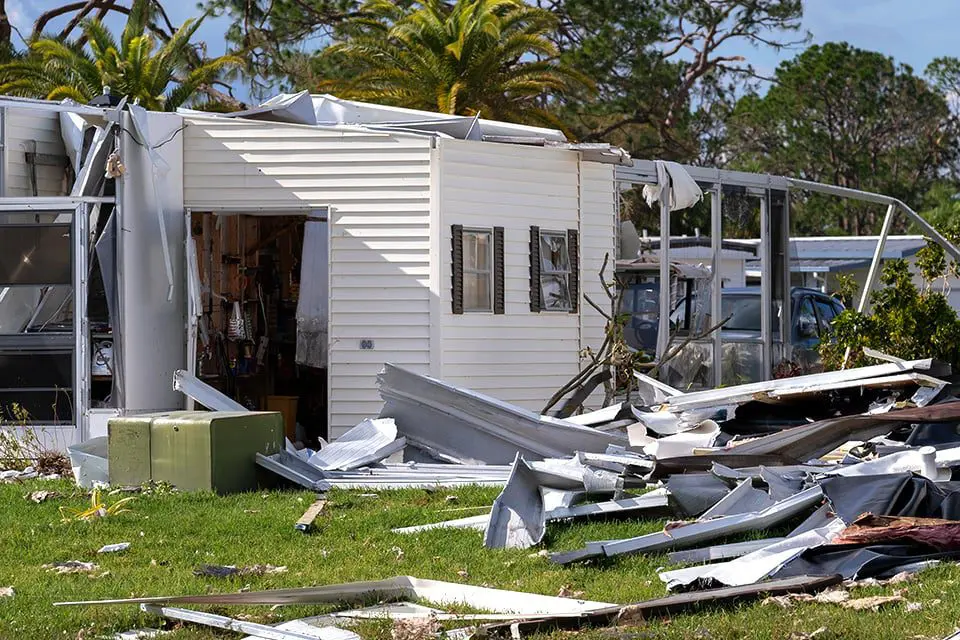

A restoration contractor in Mississippi works after the loss, and the geography of the state means the loss can look very different depending on where you are standing. On the Gulf coast it is hurricane surge; in the Pine Belt and the northeast it is a tornado that opened a roof; in the Delta and the capital it is river water or an aging sewer line. In every case your crew is the one that shows up, often the day after, to a structure that is occupied, damaged, and full of the owner’s belongings — and in a humid climate, any structure that stays wet becomes a mold job quickly. Restoration contractor insurance is the program built around that after-the-loss reality, and it starts with the one exposure that defines the trade.
That exposure is the pollution exclusion. A standard general-liability policy — the base most contractors assume answers for their work — carries an exclusion that reaches the exact substances restoration exists to remove: mold, the sewage in a Category 3 water loss, and the smoke and soot after a fire, along with the contaminated material you haul away. The base policy, by its own terms, does not answer for the contaminant itself, which is why contractors pollution liability leads every restoration program we write. This page walks what that coverage costs to build in Mississippi, how the state handles mold work — including the contractor-classification wrinkle on larger commercial jobs — the risks a Mississippi crew runs, the claims we see, and the major markets. It stays on the after-the-loss side throughout; the before-the-hazard, radon side of the brand lives on its own Mississippi radon page.
Mississippi mold remediation and the contractor classification
Mississippi does not license mold assessment or mold remediation as a dedicated credential. There is no state mold board and no standalone mold-remediator certificate, so most mold work is best described as contract-governed: the scope, the standards, and the clearance expectation live in the agreement rather than in a license. But there is a nuance on the commercial side that a general description would miss. Commercial mold-remediation work above the state contractor threshold falls under the State Board of Contractors’ environmental and hazardous-materials remediation specialty classification — a contractor classification that governs who may bid larger commercial jobs, not a mold-specific license.
The distinction matters for how the program is built. The classification is a licensing framework for larger commercial contracting, so a restorer who takes on that scale of work carries the compliance obligations that come with it, and an underwriter reads the classification as a signal about the size and nature of the jobs you bid. But the classification does not change what mold is. Mold remains a pollutant carved out of general liability and answered by contractors pollution liability on a residential dry-out and a large commercial remediation alike. And wherever the work produces a judgment rather than a repair — a moisture-mapping call, a decision that a structure is dry — that opinion is a professional liability exposure. We size the pollution limit and the completed-operations tail to the classification you actually hold and the work it lets you take, and we do not treat a contractor classification as if it were a mold credential the state does not issue.
What restoration contractor insurance costs in Mississippi
We do not publish premium figures — every number belongs to your own quote once an underwriter has seen the operation. What we can name are the drivers that move a Mississippi file. The largest is the limit you carry on contractors pollution liability and whether a market has appetite for heavy mold and Category 3 sewage work, sharpened by whether you take on the larger commercial jobs that fall under the state contractor classification. Alongside it sits payroll and how your crew’s hours map across mitigation, demolition, and reconstruction class codes, which drives both your workers’ compensation and your rate on the liability lines.
From there: the size and value of the drying-equipment fleet you schedule on contractors equipment; the revenue mix between mitigation and reconstruction, which sets the completed-operations tail your general liability and excess liability carry; the response and pack-out vehicles behind the commercial auto piece; the value of contents you hold after a pack-out under bailees coverage; and your claims history, which an underwriter reads for how the work is run. Mississippi geography sits on top of all of it — a Gulf hurricane-and-surge profile on the coast and a tornado-and-severe-convective profile inland shape appetite before the operation-specific factors come into play.
Common restoration risks in Mississippi
The work happens at a Mississippi home or business mid-crisis, and the risk profile follows the geography. On the coast, Gulf hurricane and named-storm wind opens structures to water, and surge drives the sewage and contaminated material that make a loss a Category 3 job. Inland, tornado and severe convective storm run through the Pine Belt and the northeast, opening envelopes to interior water and the mold work behind it. In the far north, the New Madrid seismic zone makes earthquake a separate placement in the regional risk picture, and river flooding is a separate exposure through the Delta and along the state’s major rivers. Across all of it, the humid climate turns any wet structure into a mold job — described as the crew’s work environment, not as claim advice to anyone.
On top of the perils sits the signature exposure that follows the crew: the pollutant you were hired to remove. Mold, Category 3 sewage, and smoke and soot are carved out of the standard general-liability policy by its pollution exclusion, so the base coverage does not answer for the very substance of the job — the gap contractors pollution liability closes. Two more risks travel with the work: the customers’ contents in your care during a pack-out, which general liability also carves out and bailees coverage answers; and the drying-equipment fleet deployed for days or weeks on properties you do not control, a first-party contractors equipment exposure. If your firm also works the before-the-hazard side, the radon exposure lives on the Mississippi radon page.
Common Mississippi restoration claims we see
These are described qualitatively — no dollar amounts, no severity figures, and no carrier named — because the point is the shape of the exposure, not a number.
- The mold claim denied under the pollution exclusion. A crew finishes a remediation, a dispute follows over spread or recurrence, and the general-liability policy the operator assumed would respond declines it under the pollution exclusion — the exact gap contractors pollution liability exists to close, and it lands the same whether the job was residential or under the commercial classification.
- The Category 3 sewage loss. What looked like a water job — coastal surge or an aging sewer line inland — is sewage, and the contaminant, the disposal, and any exposure allegation fall on the pollution side rather than the base liability policy.
- Contents lost from a pack-out. A fire, water event, or theft at your storage facility damages a customer’s belongings held after a pack-out — goods in your care, custody, and control, and squarely a bailees exposure that general liability carves out.
- Drying equipment gone from a loss site. A trailer of dehumidifiers and air movers deployed at a coastal or Delta property you do not control disappears one morning, and the loss to your own gear is a contractors-equipment matter, not a liability one.
Major Mississippi restoration markets
Mississippi is several distinct restoration markets — a surge-exposed coast, an inland tornado corridor, and a river-and-sewer capital region — each with its own building stock and underwriting story. These are the six we write most.
Jackson and the capital region
The state’s largest metro pairs government, healthcare, and university occupancies with an aging municipal water infrastructure that produces its own supply-line and sewer losses independent of the weather. Institutional occupancies bring business-continuity pressure and a longer completed-operations tail on reconstruction, so an underwriter reads a Jackson file for the mitigation-versus-rebuild split and the pollution appetite for a sewer-driven Category 3 job.
Gulfport
On the Mississippi Sound, Gulfport carries the memory of catastrophic hurricane surge and rebuilt around it, which shapes both its building stock and its underwriting story. A named-storm landfall drives mass mobilization and surge-driven Category 3 sewage and contaminated-material work, so the pollution line and the surge-loss disposal exposure are the underwriting story on a Gulfport file rather than a clean-water dry-out.
Biloxi
Biloxi’s casino-and-hospitality economy adds large commercial occupancies to a directly surge-exposed coastline, and a single storm can put both a residential neighborhood and a major commercial property into loss at once. Large-loss commercial reconstruction and the environmental exposure of contaminated coastal material push the excess-liability structure and the commercial mold classification to the front of a Biloxi file.
Hattiesburg
The Pine Belt hub sits inland from the coast but squarely in a tornado and severe-convective corridor, where wind opens envelopes and drives interior water intrusion and the mold work behind it. A university and regional-medical presence spreads restoration demand across residential and institutional stock, so an underwriter reads a Hattiesburg file for claim frequency and the drying-equipment fleet that responds across a wide service area.
Southaven and the DeSoto suburbs
On the Tennessee line as part of the greater Memphis area, Southaven is heavy in newer residential and light-commercial development, and it sits close enough to the New Madrid seismic zone that earthquake is a separate placement in the region’s risk picture. Newer stock concentrates freeze-burst and appliance-line water losses that show up as frequency, so the workers-compensation posture and the mitigation-versus-reconstruction mix both move a Southaven file.
Tupelo and the northeast
Northeast Mississippi lies in the Dixie tornado corridor, and Tupelo’s history with destructive tornadoes still shapes how the market plans for severe convective outbreaks. A furniture-manufacturing and regional-commercial base adds industrial restoration to residential storm response, so the pollution appetite for industrial contaminated-material work and the completed-operations tail on a loss-driven rebuild are what an underwriter weighs on a Tupelo file.
Why Mississippi restoration contractors choose Restoration Guard
We are an independent agency that writes one world — restoration and radon mitigation — and we place coverage with the insurance carriers that actually want the work. In Mississippi that focus earns its keep. We know to ask whether your work is Gulf surge response, inland storm work, or the sewer-and-river losses of the capital region, how much of your revenue is mold and Category 3 sewage, and whether you take on the larger commercial jobs that fall under the state contractor classification, before we quote. We draw the pollution exclusion so the substance you remove is answered by contractors pollution liability rather than assumed into general liability; we describe the contract-governed mold posture and the contractor-classification wrinkle honestly rather than inventing a mold credential; and we size the completed-operations tail to the reconstruction you actually do. When a certificate request or a program requirement lands on your desk that you do not recognize, that is a call we take. Start with a quote, or talk it through with us first.
Learn more
Coverage for a Mississippi restoration business works as a system, and it starts with the line that makes the trade a specialty class: contractors pollution liability for the mold, Category 3 sewage, and smoke and soot the standard general-liability policy excludes. Around it sit general liability for third-party injury and the rebuild tail, bailees coverage for the contents in your care, workers compensation for the crew, contractors equipment for the drying fleet, commercial auto for the response vehicles, excess liability for the added limit, and professional liability where the work produces a judgment.
The signature line
The rest of the program
- General Liability Insurance
- Bailees Coverage
- Workers Compensation Insurance
- Contractors Equipment Insurance
- Commercial Auto Insurance
- Excess Liability Insurance
- Professional Liability Insurance
Insurance by the operation you run
The other side of the axis in Mississippi
Get covered
Primary sources
Frequently asked questions about restoration contractor insurance in Mississippi
Does Mississippi license mold remediation?
Not as a dedicated credential. Mississippi does not issue a mold-assessor or mold-remediator license the way a handful of states do, and there is no standalone mold certificate. There is, however, a nuance that matters for commercial work: commercial mold-remediation work above the state contractor threshold falls under the State Board of Contractors’ environmental and hazardous-materials remediation specialty classification — a contractor classification, not a mold-specific license. So the honest posture is that mold work is largely contract-governed, but the larger commercial jobs route through a general contractor-licensing framework rather than a dedicated mold board. We describe that exactly as it is and do not invent a mold credential the state does not issue. The insurance point is unchanged either way: the classification governs who may bid the work, but it does not make mold anything other than a pollutant that general liability carves out, so contractors pollution liability leads the program regardless of which classification the job falls under.
Does my general liability cover the mold, sewage, and smoke my crew removes in Mississippi?
No — a standard general-liability policy carries a pollution exclusion, and that exclusion reaches the exact substances restoration exists to remove: mold, the sewage in a Category 3 water loss after a hurricane or a sewer back-up, and the smoke and soot after a fire, along with the contaminated material you haul away. The base policy does not answer for the contaminant itself. That is not a defect to argue at claim time; it is why a separate line exists. Contractors pollution liability is written to answer the environmental exposure general liability carves out, and because these forms are largely a manuscript, non-standard specialty market, how one is worded matters more than the label on the declarations page.
How does the commercial contractor classification affect a restoration program?
It affects who may bid a large commercial mold job more than it changes the coverage. Because Mississippi routes commercial mold-remediation work above the contractor threshold through the State Board of Contractors’ environmental and hazardous-materials remediation specialty classification, a restorer taking on that scale of work operates inside a contractor-licensing framework and the compliance obligations that come with it. From an insurance standpoint, the classification is a signal to an underwriter about the size and nature of the work you take on — larger commercial contaminated-material jobs read differently from residential dry-outs — and the pollution limit and completed-operations tail get sized accordingly. We account for the classification you hold and the work it lets you bid; we do not treat a contractor classification as if it were a mold license, because it is not.
Do you insure the property owner’s claim, or my restoration business?
Your restoration business — always. Restoration is the trade whose entire commercial world is somebody else’s insurance claim, so it is worth being exact: we place coverage on the contractor, and nothing here is advice to a property owner about their own loss, policy, or deductible. What we describe is the environment you sell into. Much Mississippi restoration work arrives as insurer-funded work, and the property owner’s carrier sets the scope you are paid on — the carrier’s scope of repair, not your estimate, is what your receivables track against. Program and TPA relationships route a share of the volume, and the estimating platform the carrier accepts shapes how a job is priced. Those are facts about your operating economy; the property owner’s claim is theirs to have with their own carrier.
Does this cover my response trucks and pack-out vehicles in Mississippi?
Yes — through commercial auto, which sits alongside the liability and property lines. The trucks that roll on an emergency call from the coast to the Delta, the trailers that haul drying equipment, and the box trucks that move a pack-out run through commercial auto the moment a loss involves a vehicle on the road. One note on language, because this trade says “carrier” constantly: your insurance carrier is the company that writes your coverage, which is a different thing from a motor carrier that hauls freight for hire. We insure the fleet a restoration business runs in service of its own work — the response and pack-out vehicles — not a for-hire trucking operation, and keeping the two meanings of the word straight matters when you read a policy.
What drives restoration insurance cost in Mississippi?
We do not publish premium figures — every number belongs to your own quote once an underwriter has seen the operation — but the drivers are nameable. The largest is the limit you carry on contractors pollution liability and whether a market has appetite for heavy mold and Category 3 sewage work, sharpened by whether you take on the larger commercial jobs that fall under the state contractor classification. Then payroll and the class codes your crew’s hours map to; the size and value of the drying-equipment fleet; the revenue mix between mitigation and reconstruction, which sets your completed-operations tail; the value of contents you hold after a pack-out; and your claims history. The Gulf hurricane-and-surge profile inland to the tornado corridor shapes appetite on top of all of it.
Get Mississippi restoration coverage built around the loss you respond to
Tell us what you respond to — surge, storm, sewer, fire — where in Mississippi you work, and whether you take on the commercial jobs under the state contractor classification, and we will market it to insurers that write the class, with the pollution exposure handled, not assumed.